Details to Check Before Booking a Dune Buggy in Dubai
Booking a dune buggy dubai experience is simple in principle, but the details matter. The desert is not a flat car park. Sand shifts, light changes, and routes can feel very different from one vehicle to another. A little care before you reserve helps you choose an outing that matches your confidence, your group, and the kind of day you want.
The useful checks are practical ones. Look past the headline appeal of a powerful engine or a dramatic photo and ask what the ride actually involves. That includes the vehicle, the route, safety equipment, driving rules, and what happens if plans shift. A clear answer to each point is usually a better sign than vague promises.
Confirm who will be driving
Start with the basics of participation. Some dune drives are self-drive, some pair guests with a driver, and some allow both depending on the route or vehicle type. If you expect to drive, confirm that self-driving is allowed for the specific booking, not just for the activity in general.
Age and licence requirements can also matter. Ask what documents are needed and whether the requirement changes for a passenger. This avoids the awkward situation where one person in the group assumes they can take the wheel and then finds out they cannot. If children are joining, check seat rules and whether the vehicle can take them safely.
Be honest about driving confidence. desert terrain driving asks for smooth steering, steady throttle control, and patience on slopes. A person who is comfortable on city roads may still want a guided passenger seat on dunes. That is not a downside. It often makes the day more relaxed and lets everyone pay attention to the landscape.
Check the vehicle type and seating capacity
Not all buggies are built for the same experience. Some are geared for quick acceleration and sporty handling. Others are set up with a steadier feel and more room for passengers. The right choice depends on who is going and how close you want the group to stay.
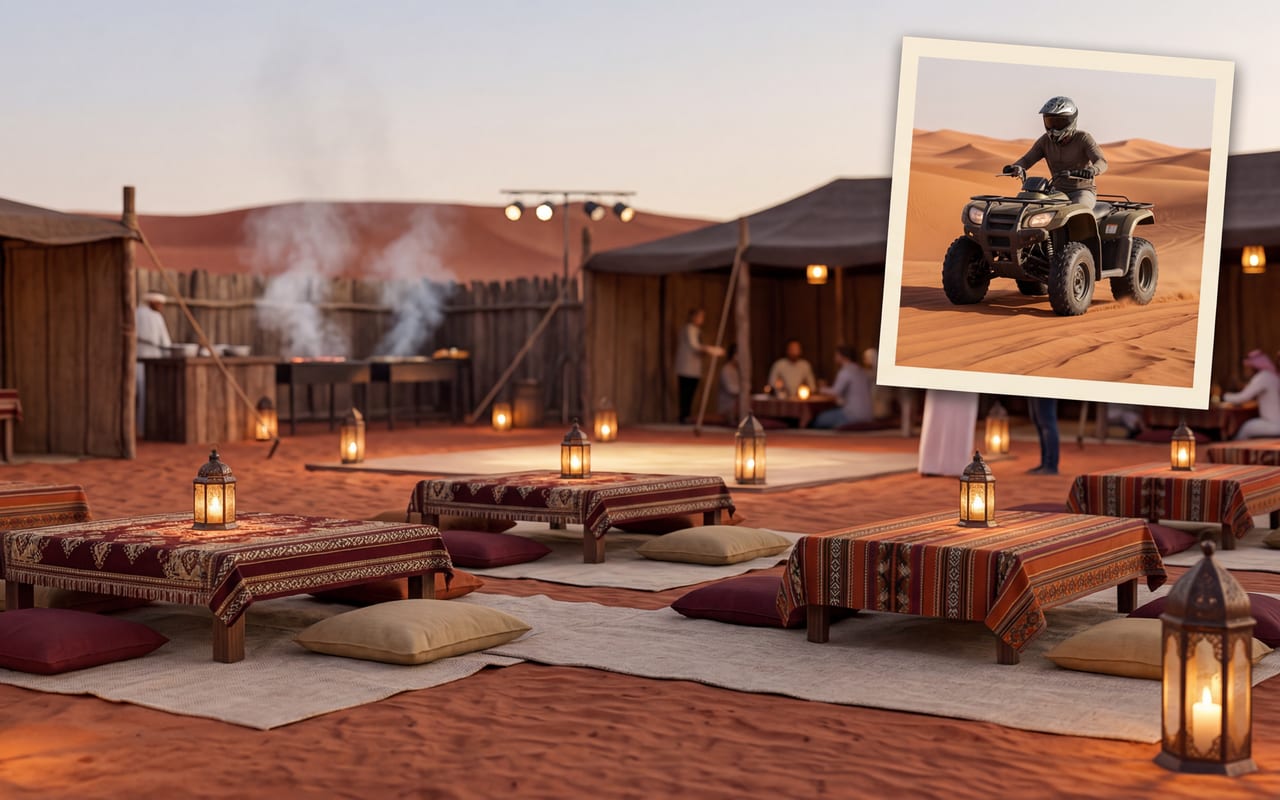
Ask about dune buggy seating capacity before you book, especially if you are travelling with family or friends. A vehicle that technically fits the group may still feel cramped once helmets, clothing, and gear are included. Extra space is not luxury in this setting. It helps people sit properly and stay comfortable over uneven ground.
It is also worth asking about the dune buggy engine type in plain terms. You do not need a technical lecture. A simple explanation of power delivery, automatic controls, and how the vehicle behaves on sand is enough. More power can be fun, but it is not always the best match for a first desert ride. Controlled movement usually matters more than raw speed.
Look at the safety setup
Proper dune buggy safety gear is one of the most important parts of the booking decision. Ask what is provided and what you should wear. Helmets, seat belts, gloves, and eye protection are common points to clarify. Closed footwear and sensible clothing are also worth planning for, since sand, dust, and sun can affect comfort.
Do not treat safety equipment as a minor detail. A helmet that does not fit properly is not much use, and loose items can become distracting during a bumpy ride. If you wear glasses, think about how they will sit under a helmet or with eye protection. If you have long hair, ask how it should be secured.
When comparing options, look for clear explanations rather than vague reassurance. A provider that calmly explains the rules, the route, and the equipment is easier to judge than one that only focuses on excitement. If you search for ATV Dubai Desert while comparing choices, use the same approach: check the practical details before choosing based on appearance alone.
Understand the route and the pace
The route shapes the whole outing. Some paths are gentle and open, with room to stop and take in the view. Others include steeper dunes, tighter turns, and faster sections. Neither is automatically better. The question is whether the route suits the people in your group.
Ask how long the driving portion lasts, how many stops are included, and whether there are quieter areas for photos. Also ask about sand dune navigation and how guides manage the group. In open desert, route markers and radio contact can help keep vehicles together and prevent confusion when the view looks similar in every direction.
Pay attention to the language used to describe the pace. Words like relaxed, moderate, and high energy should be backed by specifics. If the route includes steep climbs or fast descents, a cautious driver may prefer a different option. A good match makes the ride feel memorable for the right reasons, not rushed or intimidating.
Ask about the buggy suspension system
Comfort in the dunes depends heavily on the buggy suspension system. Sand looks soft from a distance, but the surface can jolt a vehicle in ways that surprise new riders. Suspension affects how the buggy handles bumps, ridges, and uneven approaches to dunes.
You do not need to inspect mechanical parts yourself. Instead, ask whether the vehicle is maintained for desert use and how it is expected to handle rough patches. Any technical problem should be handled by a qualified professional. Riders should not attempt repairs or adjustments to mechanical systems during an outing.
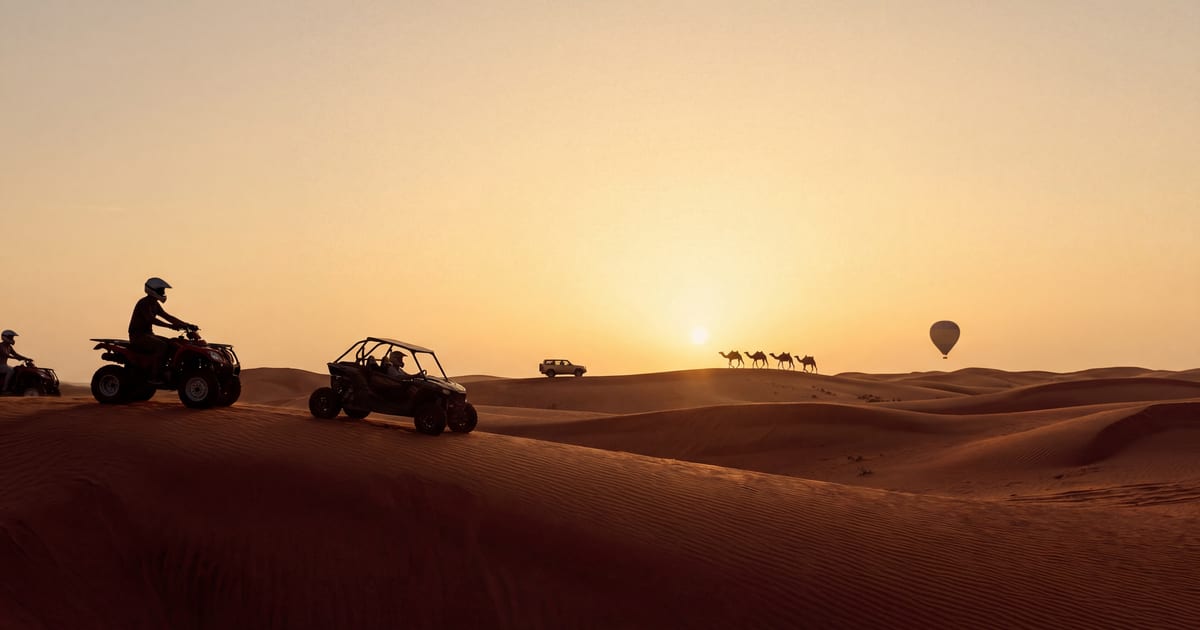
If someone in the group is sensitive to rough movement, mention that before booking. A steadier vehicle and a gentler route can make a real difference. This is also where a shorter session may be more enjoyable than a longer one. The aim is to leave with a good memory, not with sore shoulders and strained concentration.
Read the rules before the day
Most dune buggy trips operate within set boundaries. These may include dune buggy speed limits, designated driving areas, and instructions about staying with the group. Rules are not there to spoil the fun. They help protect riders, other vehicles, and the desert environment.
Ask what happens if someone ignores instructions or wants to drive apart from the group. A clear policy is a sign that the day is managed with care. It also helps guests understand what is expected before they arrive. Confusion about rules can slow the start and affect the mood of the whole group.
Check whether photos or video are allowed during the ride and where stops are permitted. If a particular spot matters to you, ask whether it is part of the desert trail routes used for that booking. Do not assume every route includes the same viewpoints. The desert changes, and paths may be adjusted for conditions or safety.
Clarify timing, inclusions, and changes
Before confirming, make sure the timing works for your wider plans. Ask about arrival time, briefing time, and the expected finish. Travel to the meeting point can take longer than people expect, especially when the day is hot and everyone is trying to stay on schedule.
Then check what is included in the booking. This may cover equipment, guidance, route details, or other parts of the experience. The point is not to chase extras. It is to avoid arriving with the wrong assumptions. A short conversation at the booking stage can prevent confusion later.
Also ask how changes are handled. Weather, group size, and local conditions can affect desert plans. A provider that explains its process clearly helps guests know what to expect if a route changes or a session is adjusted. Keep the answer simple and practical. You want to know whether you should contact someone, what information you need to give, and when to do it.
Match the experience to the group
The best booking choice is rarely the most dramatic one. It is the one that fits the people involved. A couple looking for a calm afternoon may want a different route from a group of confident drivers. A family may value space, clear instructions, and a slower pace. Someone nervous about sand may prefer to ride with a driver and enjoy the view.
Think about comfort in the sun, dust, and motion. Ask what clothing is sensible, whether water is available, and where guests can wait before or after the drive. These details may seem small, but they shape the day. A rider who is hot, thirsty, or poorly prepared will not enjoy the route, even if the scenery is impressive.
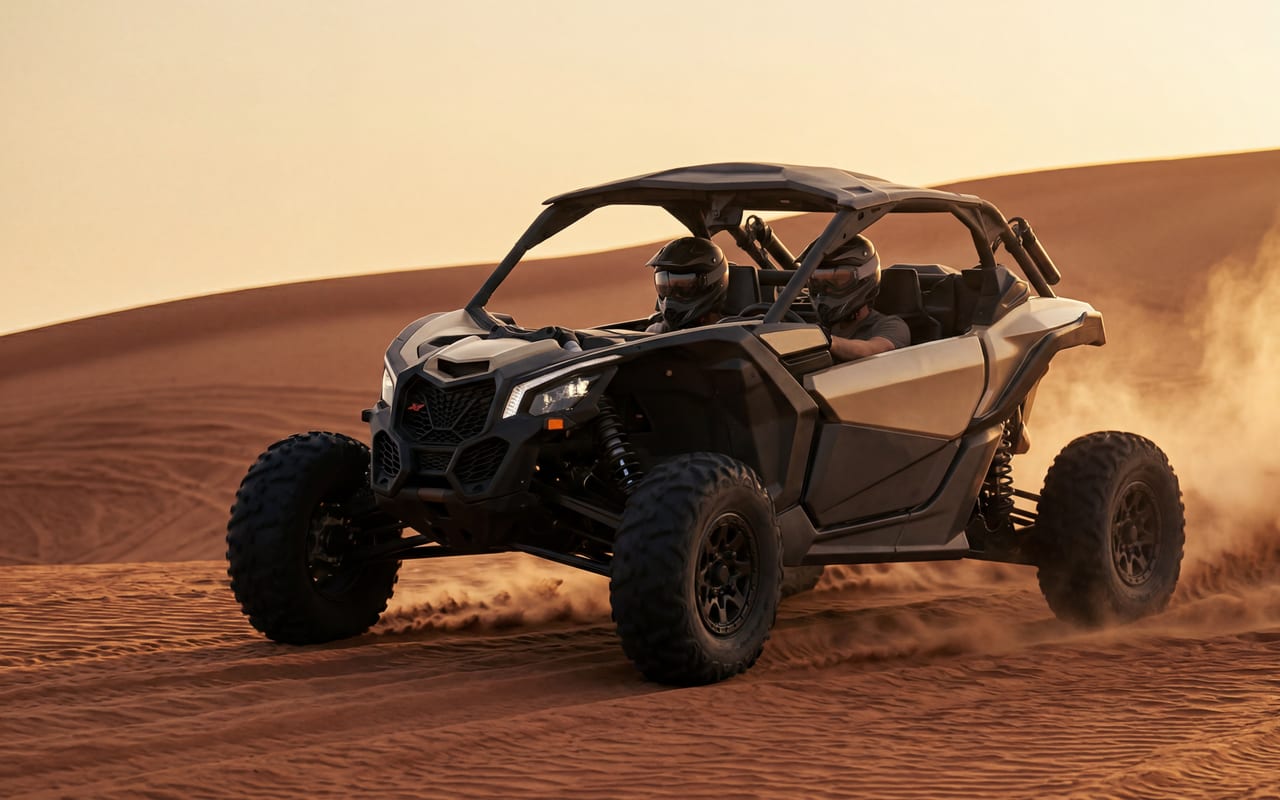
ATV Dubai Desert is one name that may appear while researching options, but the same checks apply wherever you look. Compare like with like. Look at the vehicle type, safety gear, route, group rules, and the clarity of the answers. Those points reveal far more than a polished description.
Make the final choice with clear answers
A dune ride should feel exciting, not uncertain. Before you commit, make sure you know who can drive, what vehicle you will use, what safety gear is provided, and what kind of route is planned. If an answer is vague, ask again in a more specific way. Clear communication at the start usually leads to a smoother day.
Keep your final decision grounded in the experience you want. If you value speed, ask how the route manages faster sections. If you value comfort, focus on seating, suspension, and pace. If you are travelling with others, make sure the least confident person in the group is still comfortable with the plan. That single point often decides whether the outing feels worthwhile for everyone.
When those details line up, the booking becomes much easier. You are no longer choosing from vague descriptions. You are choosing a desert ride that fits your group, respects the terrain, and gives you a clear idea of what happens from arrival to finish.